


South Africa has always done luxury in its own way. Not loud or showy, but more about access and atmosphere. That relationship between comfort and conservation is what underpins ethical travel South Africa. Increasingly, the focus is shifting toward regenerative travel, where the aim is not simply to avoid harm but to leave a place stronger than it was found. When that thinking guides a journey, luxury eco-tourism feels purposeful rather than indulgent. It also reflects where sustainable travel 2026 is heading. Travellers recognise that the choices they make have lasting consequences. At Where It All Began, that understanding shapes every itinerary. The experience should be exceptional, but it should also contribute to something that endures.
Beyond the Buzzword: What Ethical Travel Means to Us
Ethical travel is often wrapped up in vague language. In practice, it is far simpler and far more practical than it is made out to be. In South Africa, ethical travel might mean staying in a lodge that actively supports wildlife conservation rather than simply bordering a reserve. It could mean collaborating with local guides who bring income directly into their communities or choosing experiences that respect cultural traditions instead of exploiting them for entertainment.
At its core, it is about balancing the triple bottom line of people, planet, and long-term prosperity. It also means being wary of greenwashing in travel. In tourism, that often shows up as surface-level gestures or sustainability claims that sound good, but don’t stand up when you look at who benefits, how wildlife is treated, or where the money actually goes. Ethical travel is not about doing less or lowering standards. It is about being honest about impact and making decisions that hold up over time.
The WIAB Implementation: How We Build Your Journey
We work with a considered circle of partners. Each lodge, guide, and conservation team is selected for how they care for wildlife, support their staff, and engage with the communities around them. We pay attention to the details that are not always visible to guests, such as ownership structures, employment practices, and where conservation funding actually goes. Those factors shape the real impact of a stay. That vetting process is not about ticking boxes. It is about shared values. The places we include in your itinerary need to reflect the same long-term view of conservation and social equity that underpins our approach.
No two ecosystems carry the same responsibilities. A coastal community on the Wild Coast faces different realities to a private reserve bordering Kruger. That is why no two itineraries are the same. Bespoke travel in South Africa works best when it responds to the specific landscape, people, and conservation pressures of each region. For a closer look at how we approach conservation and community partnerships, you can explore:
The Pillars of a Conscious South African Safari
Wildlife Comes First

A responsible safari in South Africa starts with the understanding that wildlife is not there to perform. Ethical safari experiences prioritise conservation over sightings, supporting reserves that invest in habitat protection, anti-poaching work, and ethical guiding standards. Seeing wildlife is a privilege, not a guarantee. In practice that means limits on vehicle numbers at sightings, strict off-road policies, and guides who are trained to read animal behaviour rather than push it. It also means supporting reserves that reinvest revenue into conservation programmes, research, and ranger teams. A safari should never come at the cost of the animals it depends on.
People Are Not an Afterthought
Tourism only works when local communities benefit in real ways. Employment, training, education support, and community ownership are far more important than staged cultural encounters. When people see value in conservation, wildlife has a future. A conscious safari considers who owns the land, who manages it, and who shares in its success. Fair wages, career development, and meaningful community partnerships create long-term stability. Without that, conservation efforts become fragile. With it, they become sustainable. See our blog post on Why Ethical Tourism is so important to Rural Communities.
Eco-Luxury in Practice
Luxury does not disappear when travel becomes more responsible. It just looks different. Across South Africa, many sustainable safari lodges are investing quietly in solar power, water treatment systems, lighter building methods, and better waste management. These are practical decisions, not marketing features. They reduce pressure on landscapes that cannot afford shortcuts. The best eco-luxury is not performative. It works in the background. Guests still enjoy space, tasty food, attentive service, and the kind of atmosphere that makes a place memorable.
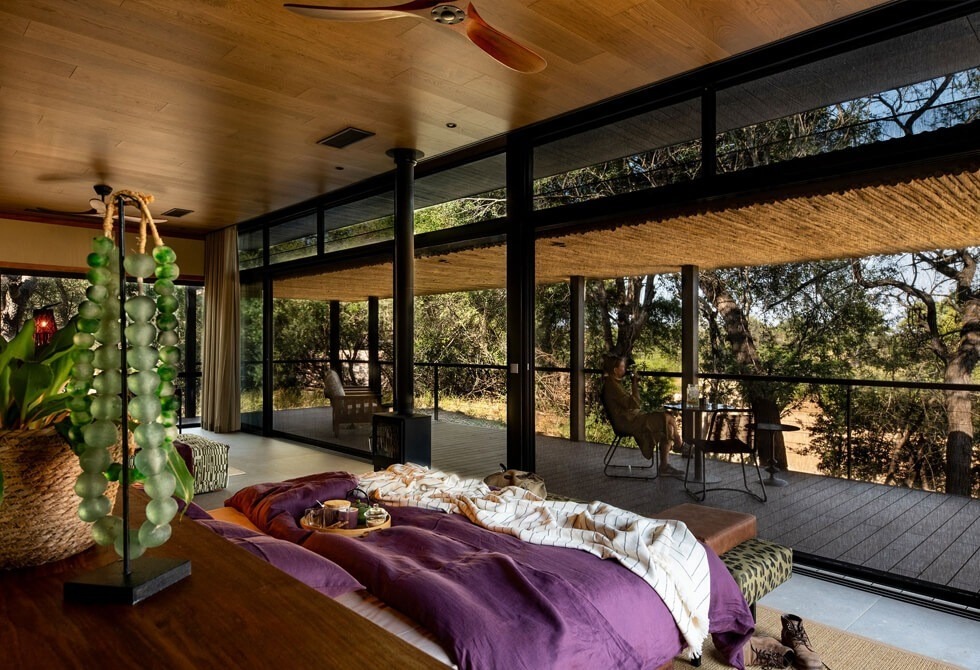
Tanda Tula
The difference is that the infrastructure supporting it has been thought through. Energy use is tracked. Water is reused where possible. Supplies are sourced with care. When wildlife protection, community benefit, and operational discipline sit alongside comfort, the result feels balanced. A safari remains exceptional, but it also makes sense in the long term.
Destination Spotlight: Where Luxury Meets Purpose
The Greater Kruger
The Greater Kruger safari region operates as a connected ecosystem, where private reserves border the national park without fences between them. That shared landscape supports wildlife movement and genetic diversity, but it also requires careful management. Low vehicle densities, strict guiding codes, and reinvestment into conservation programmes are what keep the balance intact. A well-designed safari here can deliver extraordinary wildlife encounters while still supporting habitat protection and local employment.This is the thinking behind our Ethical Kruger National Park Safari and the Southern Kruger & Victoria Falls Adventure.
The Cape Floral Kingdom
The Cape Floral Kingdom is one of the most biodiverse regions on earth, yet much of its richness is easily overlooked. Fynbos landscapes may appear hardy, but they are sensitive to foot traffic, invasive species, and water pressure. Responsible access, informed guiding, and conservation partnerships are critical to preserving this biodiversity. Without careful management, the landscape would not cope. If you want a broader view of the “why” behind this style of travel, take a look at Why Sustainable Travel Matters.


Cape Floral Kingdom
Kruger National Park
The Wild Coast
The Wild Coast of South Africa rewards travellers who are prepared to slow down. Community-owned lodges, small-scale guiding operations, and locally led walking routes allow tourism revenue to remain in the region rather than flowing elsewhere. This is tourism that empowers Xhosa communities through shared ownership, where local families and stakeholders have a direct role in how tourism develops and how the benefits are distributed. Infrastructure is lighter here, which makes thoughtful planning essential. Done responsibly, tourism can create local income without damaging the coastline it depends on.
Impact in Action: What Our Clients Say
The clearest measure of whether a journey works is not in the itinerary, but in how people describe it afterwards. People rarely come back talking about “responsible travel” as a concept. They talk about how it felt.
“While being very aware of our (white) privilege, we are able to make ethical choices and appreciate your sharing our values – that shows in the kind of trip you offered.” – Jessica and Alan
“It really was a life-changing experience, and not just because of the awesome plants and landscape – the wonderful people we met were also a big part of it. – Annie and Jim
“The entire trip was memorable … Where it All Began are just amazing to work with and we had a fabulously organised holiday.” – Deidra
Sustainable Travel Tips for Your Next Safari
A safari does not need to be complicated to be responsible. A few sustainable travel tips can shift the experience meaningfully. Start with pace. Slow Travel is not just a philosophy; it reduces unnecessary transfers, lowers your footprint, and allows you to settle into a place properly. Staying longer in fewer locations often supports local economies more effectively than moving constantly.
Be deliberate about who you book with. Vet your operator. Ask who owns the lodge, how staff are treated, and where conservation funding goes. In South Africa, looking for Fair Trade Tourism certification is a practical way to assess whether a property meets recognised social and environmental standards. If you would like to see how this plays out in practice, you can explore our Press & Accreditations, which reflect the external standards and partnerships that guide our work.
Ethical travel is not a compromise on luxury. If anything, it deepens it. There is a different kind of ease that comes from knowing your journey was built with care, and that it supported the places and people who made it possible.If you are drawn to this way of travelling, inquire about our bespoke systems and let’s co-create a bespoke, high-impact itinerary together.
